
 By
By 
After completing my five-year contract in Dubai, I returned home to Uganda with a head full of dreams and a long list of goals. At the very top of that list? Owning a brand-new ride. After years of hard work, who still wants to hustle with public transport? In fact, I was so ready that I dreamed of being picked up from the airport in my own new car.
So began my car-purchasing journey. I thought five years in a foreign country had made me tough. However, let me tell you, buying a car in Uganda is not for the faint of heart. I honestly wasn’t prepared for the saga and drama I witnessed.
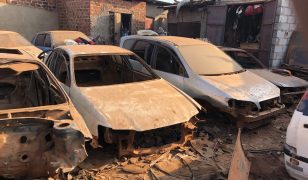
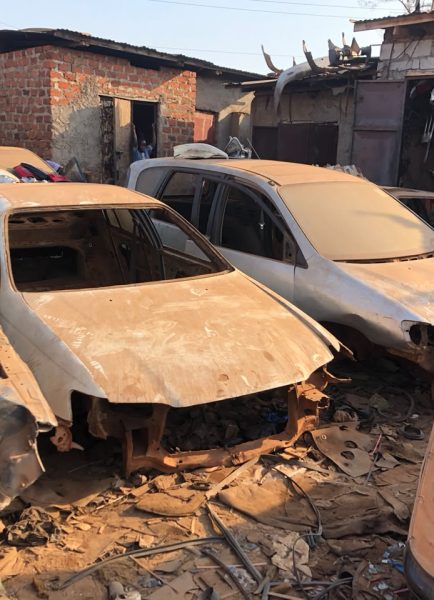
Why do those shiny online pictures turn into scrap metal when you arrive at the yard? Why does the car that was 20 million suddenly cost 40 million when you show up? And why, oh why, can’t they find the exact vehicle they promised you in the video?
If I wrote everything I went through trying to get value for my money, you’d probably cry on my behalf. I thought I was ready. I thought it would be easy. My friend, it’s easy to think so until you actually start. I won’t bore you with all the painful details. Instead, I’ll share what you can do to avoid ending up like me.
But let me tell you just this one story. I finally saw a car at a bond that I really liked. Unlike the others, this one seemed legit: no rust, fresh interior, everything in order. I was exhausted from the search and ready to pay.
They took me to the manager’s office, and the Ugandan in me kicked in. I had to bargain ‘akasembayo‘. The “Muyindi” manager looked excited about the deal, already preparing receipts and documents. I took my shot: “So you’re really not going to reduce for me? At least take off 800,000 for the first service.”
“28 million is the best offer you can get, ma’am,” he said.
I blinked. “What did you just say?”
He looked puzzled. I turned to the salesman who had been showing me around earlier; he gave a nervous little laugh. I looked back at the manager. “I was about to pay 35 million for this car,” I said.
He stammered. “Ahhh, 35 million, yes, you see… You want a scarce colour. That’s why it’s that amount.”
“What amount, sir?” I asked.
“35 million,” he replied bluntly.
In my mind, I was screaming: how can a car’s colour double the price like this? I didn’t wait for their explanations. I got up and left, despite their attempts to persuade me.
My friend, it is not easy-I repeat, it is not easy to get a ride in Kampala. I went through a lot to finally own one. But don’t worry, I’ve created a guide to help you avoid the traps I fell into.
Step 1: Choosing the Right Car
The Ugandan car market is flooded with used imports, mainly from Japan. They look shiny in the yard, but looks can deceive.
Do your homework: Check if the model you want has widely available spare parts. Toyotas like the Premio, Corolla, and Harrier are popular for a reason.
Mind the fuel consumption: Big-engine SUVs may look stylish, but Kampala’s traffic jams will eat your fuel budget alive.
Inspect before you buy: Never trust “It’s in perfect condition” without a thorough check by an independent mechanic. Mileage tampering is common; worn-out pedals on a “low mileage” car are a red flag.
Step 2: Budget Beyond the Purchase
Most first-time buyers forget that the real cost isn’t just the buying price. Here’s what to expect in year one:
- Transfer fees(between 150k to 200k)
- Insurance. Third-party coverage is the legal minimum, but comprehensive coverage saves you in the event of significant accidents.
- Maintenance. Oil, filters, belts, spark plugs, suspension check
- Tyres. Many imported cars arrive with worn-out ones
- Emergency fund for those inevitable “surprise” repairs
Tip: Budget 15–20% of your car’s price for the first year’s running costs.
Step 3: Paperwork Mastery
- Uganda’s paperwork can be as bumpy as the roads. Verify the logbook with URA before you pay.
- Keep copies of your logbook separately and never leave originals in the car.
- Check the owner’s tax clearance before transferring ownership because if he/she haven’t cleared, then it won’t transfer to your name.s
- Check the police receipt balance
- Check Multiplex balance
- Check the Criminal record
You solve this by hiring someone like Arthur to do all that during a pre-purchase inspection.
Step 4: Driving in the Real Uganda
You’ve passed the test, but the real driving school begins now with Boda bodas that are unpredictable and always forcing you to check mirrors twice. Potholes can be deep. What looks like a puddle could swallow your rim. Police roadblocks are common; carry reflective triangles, a fire extinguisher, and a first-aid kit to avoid fines.
Step 5: Maintenance = Money Saved
Uganda’s roads are challenging for cars. Regular care pays off:
- Change oil every 5,000-7,000 km.
- Rotate and align tyres every 10,000 km.
- Don’t ignore the dashboard warning, not “just for decoration.”
- Check suspension after long rural trips.
Step 6: Mechanic Wisdom
Mechanics in Uganda range from lifesavers to wallet-drainers, so always make sure to get three quotes for significant repairs. Ask for old parts back to confirm replacements were genuine, and buy parts yourself when possible from trusted suppliers.
Step 7: Keep It Safe
Car theft, whether it’s the whole car or just your side mirrors, is a reality.
- Use a steering lock or gear lock.
- Install a tracker if your budget allows.
- Park in guarded, well-lit areas.
Step 8: Fuel your Car Without Regrets
Stick to reputable petrol stations and avoid roadside fuel, as adulterated petrol can wreck your engine. Make sure to use the correct fuel grade for your engine; some imports need high-octane gasoline.
Step 9: Protect Your Resale Value
Even if you don’t plan to sell soon, keep service receipts and avoid extreme modifications that narrow your market. You can get the My Car Diary to help you follow and keep a record of maintenance.
Conclusion
Owning your first car in Uganda is a rite of passage. Get it right, and it’s freedom on wheels. Get it wrong, and you’ll spend more time at the garage than on the open road.
The golden rule? Drive gently, maintain consistently, and stay alert both on the road and in the market. That way, your first car won’t just be a ride; it will be the start of a smooth journey.