




Petrol Stations Exposed: How Bad Fuel, Pump Errors, and Pricing Tricks Affect Drivers in Uganda
 By Lauben Kato
March 16, 2026
By Lauben Kato
March 16, 2026
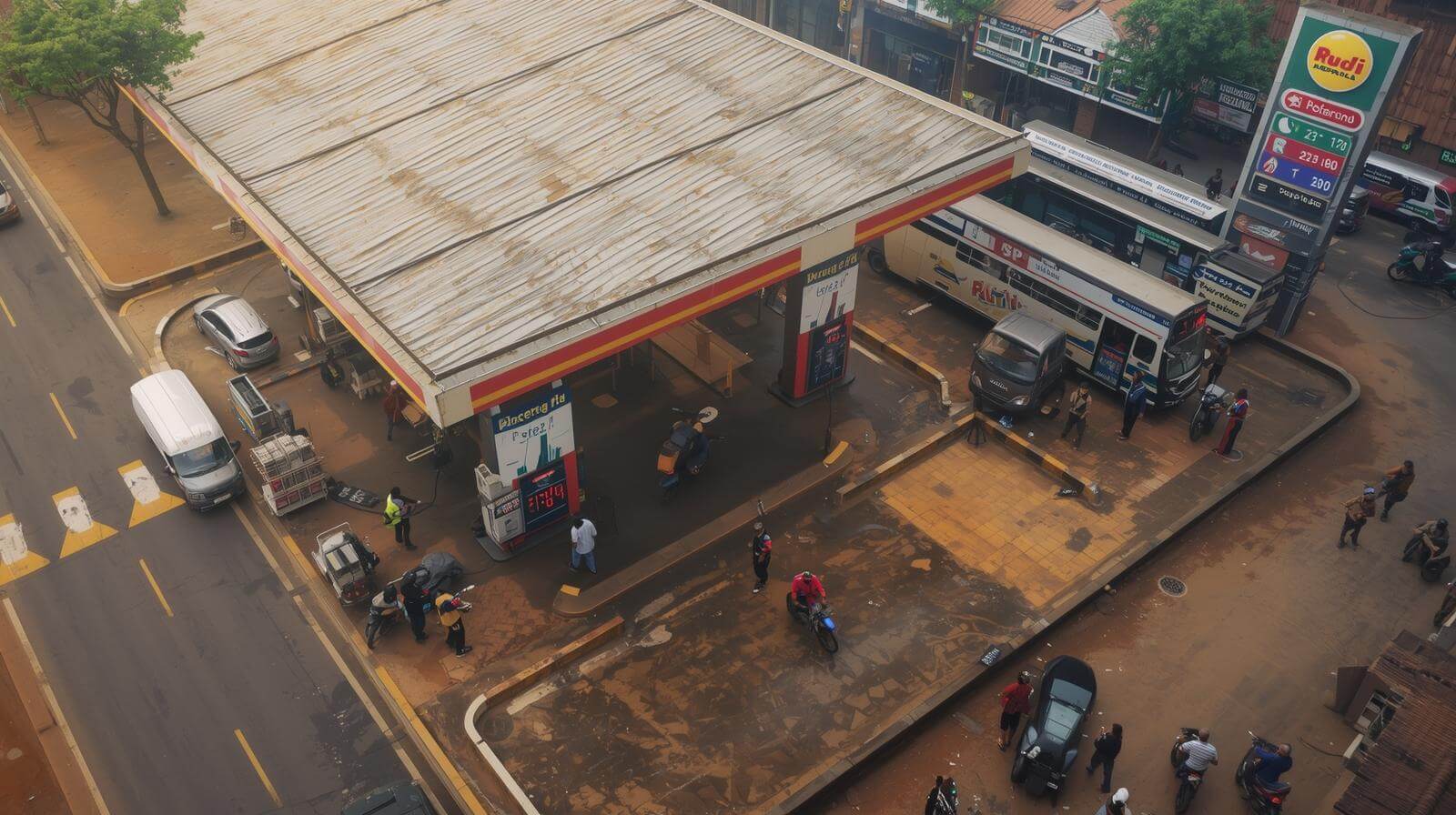
Fuel stations are among the most important parts of the car world, yet they are also among the least questioned. No matter what kind of car you drive, whether it’s a hybrid SUV, taxi, truck, or an older family car, you need them. The quality of the fuel, the accuracy of the pump meters, and the safety standards at gas stations all have a direct impact on how well a car runs, how much gas it uses, and how healthy its engine is in the long run.
But many drivers don’t think much about how petrol stations work. Drivers usually trust the pump, the brand, and the price and then leave without considering potential problems such as pump calibration errors, fuel contamination, pricing practices, or safety risks.
Drivers can protect their cars, avoid losing money, and make better choices about where to fill up if they know how petrol stations work.
Petrol Stations are Businesses, Not Just Service Points.
Petrol stations are some of the most important and stable businesses in today’s economy because almost all forms of transportation depend on them. Cars, motorcycles, taxis, buses, trucks, and commercial fleets all need to stop at gas stations to refuel. This constant demand keeps customers coming in at a steady and predictable rate.
These days, petrol stations are more than just places to fill up your car. Many of them now work as small service centres that make extra money by washing cars, fixing tyres, selling engine oil, running convenience stores, offering mobile money services, and running small cafés or restaurants. Petrol stations attract many repeat customers because drivers often have to fill up their tanks. This makes location very important. Highways, busy city streets, and commercial centres are all good places for stations to be because they get a lot of traffic.
However, running a petrol station takes a lot of money. Land, underground fuel storage systems, safety infrastructure, and following the rules all cost a lot of money. The profit margins on fuel itself are often pretty low, so many petrol station owners depend on other services and retail sales to make more money overall.
In many places, petrol stations also serve as informal social and business hubs where travellers can rest, drivers can check their cars, and residents can get quick services.
Even though we see them every day, a gas station is more than just a place to get gas; it’s a business that makes money and is under a lot of pressure, such as:
- Oil prices around the world go up and down
- Taxes on fuel and fees for regulations that are too high
- Petrol stations nearby that are competing with each other
- High costs of doing business, like moving fuel, storing it, paying for electricity, and hiring staff
Some stations may be tempted to cut corners because the profit margins per litre are so small. And that’s usually where things go wrong.
Fuel Pump Accuracy: Common Concerns Drivers Should Know
A common worry for drivers is whether a gas pump is dispensing the right amount of gas. Most stations are honest, but people in the auto industry often worry about how accurately and precisely the fuel pumps are calibrated.
Some of the things that drivers are most worried about are:
- Fuel pumps that give out less fuel than what the meter says
- Bad or illegal calibration of the pump
- Fuel meters that are old or have been messed with
A small difference can become very important. If a pump dispenses half a litre less fuel per transaction and hundreds of cars fill up at that station every day, the total loss to drivers could be substantial.
The fuel pump is one of the most reliable machines in the world of cars. Most drivers don’t often question the numbers on the pump. But knowing how petrol pumps work can help drivers stay awake and avoid problems.
A petrol station’s fuel pump is made to accurately measure and deliver petrol or diesel from underground storage tanks to a car’s fuel tank. Modern pumps have metering systems that ensure drivers receive the exact amount of petrol they pay for. But sometimes mechanical problems, poor maintenance, or dishonest practices can cause the vehicle to get less fuel than the pump indicates.
Because of this, drivers should pay attention while they are filling up. A few simple habits can help ensure the process is clear and correct.
Things Drivers Can Check While they fuel their cars at petrol stations
- Make sure the pump meter returns to zero before you start filling.
- Keep an eye on the pump display while you fill up.
- Make sure that the fuel nozzle is in the tank the right way.
- Check whether fuel is actually flowing when the pump is turned on.
In rare cases, a loose trigger, a blocked nozzle, or incorrect pump use can cause little or no fuel to enter the tank while the meter keeps running.
Drivers should also be aware of warning signs like
- The pump stopped working very quickly.
- The amount given out seems too small for the money spent
- The fuel gauge on the car doesn’t change after refuelling.
If any of these things happen, the driver should politely ask the attendant for proof.
Another good habit is to know how much petrol your car usually uses when you fill it up. It’s easier to see when your car’s fuel consumption is different from normal when you know what it usually uses. Drivers can be sure to get the gas they paid for if they stay alert for the few minutes they spend at the pump. This also reduces the risk of misunderstandings or financial losses.
Fuel Quality: The Invisible Threat to Your Engine
You can’t see fuel quality like you can see engine oil or brake pads. You normally don’t notice there’s an issue until the automobile starts to act weird.
The quality of the diesel or petrol has a huge impact on how well the engine runs, how much fuel it uses, and how long it lasts. Today’s engines need clean, highly refined fuel that burns well, leaving very little behind in the engine. If the fuel is good, the car usually starts up quickly, accelerates smoothly, and doesn’t knock, smoke too much, or shake in weird ways.
But poor fuel quality can cause problems very quickly. Drivers may start to experience symptoms quickly after filling up, such as:
- A knocking or pinging sound in the engine
- The car won’t start
- The engine has less power.
- Use of more gasoline
- Idling roughly
- There is smoke coming out of the exhaust that shouldn’t be there.
These indicators usually suggest that the fuel isn’t clean or hasn’t been refined well. If you use bad petrol or diesel, it can damage many essential sections of the car’s fuel system, like
- Fuel injectors
- Fuel pumps
- Plugs for the spark
- The catalytic converter
Dirty fuel that flows through the engine might lead to expensive repairs over time. Water, dirt, sediment, or an improper fuel blend can all make fuel quality unsatisfactory. These impurities make it harder for combustion to occur effectively, which can impair engine efficiency or cause damage over time.
Drivers should also save the petrol receipt and inform the petrol station where they bought it about the situation. You can also reduce the risk of contamination by always getting petrol from well-known stations that have high-quality control over their fuel.
One of the best ways to tell if your fuel is bad early on and keep your engine from getting damaged over time is to pay attention to how your car operates when you fill it up.
Brand Name vs Reality on the Ground
Many drivers think that filling up at a “big-name” station means they will get good petrol. Branding does offer some protection, but it isn’t perfect.
- Some stations work on a franchise basis.
- Independent dealers may be responsible for daily operations.
- Quality control can vary across stores.
In summary, the signboard’s logo doesn’t always match what’s in the tank.
Price Wars, Cartels, and Consumer Confusion
Fuel prices often rise quickly but fall slowly, if at all. This has fuelled allegations of:
- Price fixing among fuel dealers
- Artificial shortages
- Coordinated price hikes
For the average car owner, fuel pricing feels less like a market and more like a mystery, one that directly affects household budgets, transport fares, and business costs.
Safety: The Risk We Ignore Daily
Petrol stations deal with one of the most harmful things we use every day: petrol and diesel. These fuels power millions of cars, but they are also very flammable liquids that can create fires, explosions, or serious accidents if people don’t follow simple safety guidelines. Knowing how to safely use fuel keeps drivers, passengers, and everyone else at the station safe.
Why Fuel Safety Is Important
When heated, sparked, or lit, petrol and diesel vapours catch fire quickly. The U.S. National Fire Protection Association (NFPA) says that petrol vapours can catch fire at temperatures as low as 43 °C. This means that even little sparks can start a fire.
Because of this risk, petrol stations have strict safety rules, but drivers also play a big part in preventing accidents.
How to Safely Refuel
Here are some fundamental safety precautions to observe while you fill up your car:
- To keep anything from catching fire, turn off the engine before you fill up.
- Don’t smoke or use open fires near the pump.
- Don’t let anything get in the way, like using your phone too much while you’re fuelling.
- Make sure that passengers, especially kids, keep away from the pump area.
- Keep fuel from spilling on the ground or the car.
- After filling up, make sure to tighten the fuel cap all the way to keep petrol from leaking and vapour from escaping.
Drivers should always be on the lookout for signals of possible fuel risks, such as:
- Strong, long-lasting scents of fuel inside or outside the car
- There are fuel leaks under the car.
- Loose gasoline caps or broken fuel lines
- Stains from fuel near the tank or under the engine bay
Check the car right away if you see any of these indicators to avoid a fire or engine damage.
Things That Should Be in Every Car for Safety
- Fire extinguisher that can put out fuel and electrical fires (Class B or ABC)
- A warning triangle to let other vehicles know when there is an emergency
- First aid kit for quick medical help
- These things can help keep little problems under control until help arrives.
Petrol stations are important for getting around every day, but they also handle commodities that require care and respect. Drivers can avoid accidents, save lives, and ensure refuelling is a normal and safe part of driving by following simple safety rules at petrol stations.
7. Environmental and Community Impact
Fuel stations do not only affect vehicles and drivers; they also have a significant environmental and community impact that many people rarely notice in their daily lives. One of the major concerns is leaking underground storage tanks, which can occur due to corrosion, poor maintenance, or ageing infrastructure, allowing petrol or diesel to seep slowly into the surrounding soil and eventually contaminate groundwater sources that communities rely on for drinking, farming, and household use. When fuel enters the soil, it can kill beneficial microorganisms, damage plant life, and create long-term land pollution that is expensive and difficult to clean up. Another serious issue is the improper disposal of used engine oil and other automotive fluids from service bays or garages attached to fuel stations; when waste oil is poured into drains, open ground, or nearby water channels, it spreads toxic chemicals that harm aquatic life, damage ecosystems, and make water unsafe for human consumption. In addition, fuel vapours released during storage and refuelling contribute to air pollution, as petrol fumes contain volatile organic compounds that can affect air quality and may cause headaches, breathing discomfort, or other health problems for workers and residents living near busy stations. Spills during fuel delivery by tanker trucks, careless handling of fuel, and poor waste management can further worsen environmental damage if stations do not follow strict safety and environmental standards. Although these issues often receive less public attention than other environmental concerns, their long-term effects can be severe, affecting public health, agriculture, water systems, and the overall well-being of communities. For this reason, responsible fuel station management, regular tank inspections, proper waste disposal, vapour control systems, and adherence to environmental regulations are essential to ensure that fuel stations serve communities without quietly harming the environment around them.
Regulation: Strong Laws, Weak Enforcement?
Most countries have clear laws governing:
- Fuel quality
- Pump calibration
- Licensing
- Environmental safety
The challenge lies in enforcement. Allegations of corruption, selective inspections, and regulatory loopholes continue to undermine public confidence.
What Car Owners Can Do
While motorists cannot inspect underground tanks or recalibrate pumps, they can stay alert.
Smart Practices
- Stick to stations with consistent fuel performance
- Notice sudden drops in fuel economy
- Avoid stations with unusually low prices
- Service your fuel system regularly
- Report suspicious stations when possible
Your car often tells the truth before anyone else does.
Fuel stations play a far more influential role in everyday life than most people realise, quietly shaping the entire driving experience in ways that go beyond simply filling a car’s tank. The quality of fuel, the accuracy of pumps, the safety standards maintained, and the environmental practices followed all directly affect a vehicle’s lifespan, the amount of money drivers spend maintaining their cars, the safety of people on the road, and even the health of the surrounding environment. A poorly managed fuel station can lead to engine damage, financial loss for drivers, safety hazards, and environmental harm, while a well-run station supports reliable transportation and community well-being. For both passionate car enthusiasts and ordinary drivers who depend on their vehicles every day, understanding how fuel stations operate is no longer just helpful knowledge but an essential part of responsible vehicle ownership. Each time a driver pulls into a station, they are doing more than purchasing petrol or diesel; they are placing trust in the station’s integrity, systems, and standards. And like all forms of trust, once it is broken through poor practices or dishonesty, the cost of repairing that damage can be far greater than the price of fuel itself.