



0Comments






Some nights, life pushes you out of your own home and into unexpected refuge. On one such night, my car became more than a vehicle – it became my escape, my quiet room, my place to breathe. After an argument that spiraled beyond control, I found myself driving aimlessly through the silent streets of Bukoto and Ntinda, searching for calm. Parked behind a closed supermarket, with nothing but the hum of the engine and my own thoughts, I discovered something powerful: peace can be found anywhere. That night reminded me that walking away is sometimes an act of maintenance, not weakness—and that clarity often comes in the quietest, most unlikely spaces.

Safe driving in such conditions isn’t about fear; it’s about respect for nature, for your car, and for human life. Every time you hold that steering wheel, you’re not just driving; you’re making a promise to yourself and others to return home alive. So when the clouds gather and the wind starts whispering, remember: it’s not bravery to drive fast. No, it’s wisdom to drive smart.

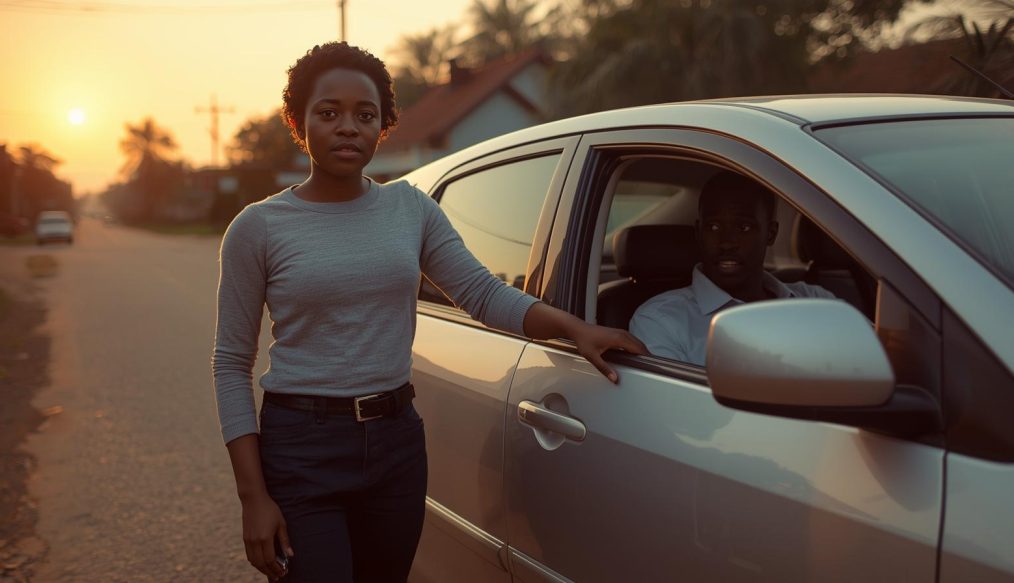
Yet somehow, in all that chaos, there was this small moment of predictability- our two cars side by side. I never saw the driver clearly, only caught glimpses- a neat shirt sleeve, a coffee cup, the way his headlights flicked twice before he drove off. I told myself it was nothing, but each day, when I found his car already there, I smiled inside.
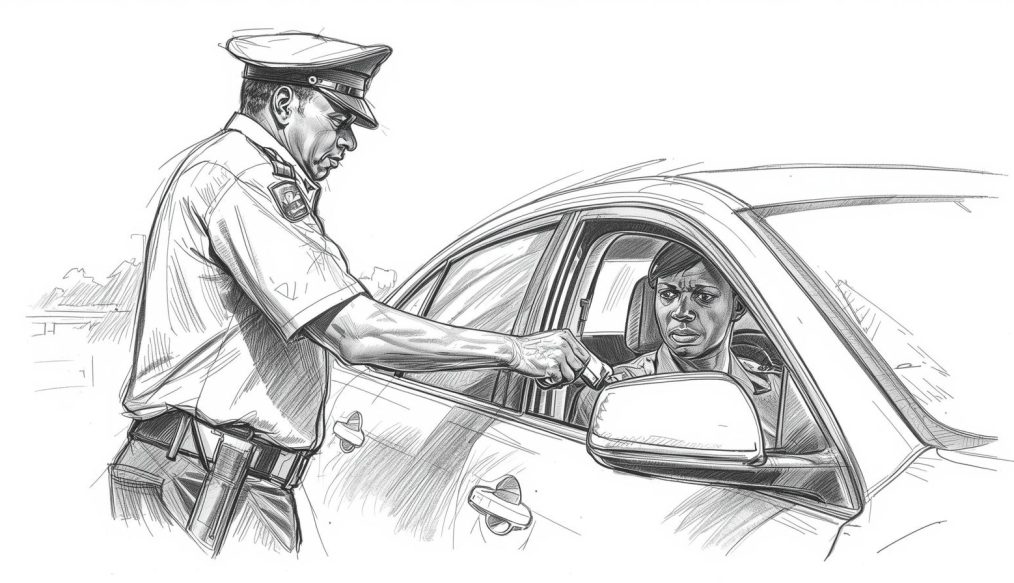
Many Ugandans view tinted vehicles as a sign of success, power, or high status, often associated with government officials, diplomats, or wealthy businesspeople. On the other hand, some citizens (and police) associate heavy tint with suspicion, thinking of it as a way criminals hide illegal activities, smuggling, or even kidnapping.
