
Scrapping, Salvaging and Dismantling: The Final Journey of a Car
 By Lauben Kato
June 15, 2026
By Lauben Kato
June 15, 2026
Personally, I check for expiry dates when I buy goods because I know they expire. But if I may ask, have you ever asked yourself whether a car expires? It is really something to debate about. This car article will unpack everything for you. Every car has a life cycle. From the day it leaves the factory to the moment it can no longer run safely, a vehicle goes through years of use, wear, and maintenance. Eventually, even the most reliable cars reach a point where repairing them is no longer practical, safe, or cost-effective. This is where scrapping, dismantling, and salvaging a car come into play. While these terms are often used interchangeably, they have subtle differences, and understanding them can save car owners money, ensure safety, and provide insights into vehicle maintenance and recycling.
Defining Scraping, Dismantling and Salvaging a Car
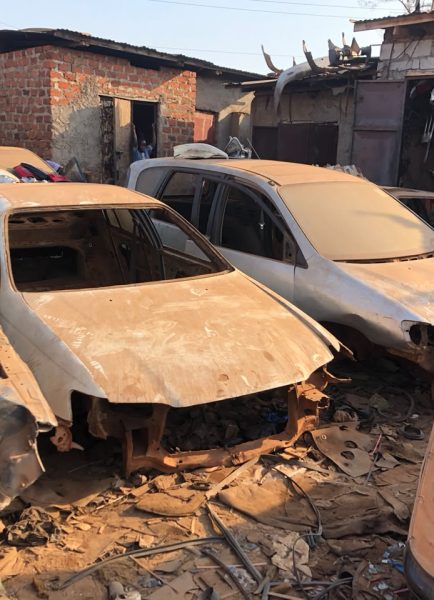
Scrapping a Car refers to the process of taking a vehicle that is no longer functional or economically repairable and disposing of it in a controlled way. Scrapping usually involves removing fluids, valuable components, and eventually crushing or cutting the car into pieces for metal recycling. The focus is primarily on safely ending the vehicle’s life while recovering materials that can be reused. Scrapping is common for vehicles that are old, badly damaged, or no longer roadworthy. In Uganda, many second-hand cars imported decades ago or vehicles involved in serious accidents are commonly scrapped.
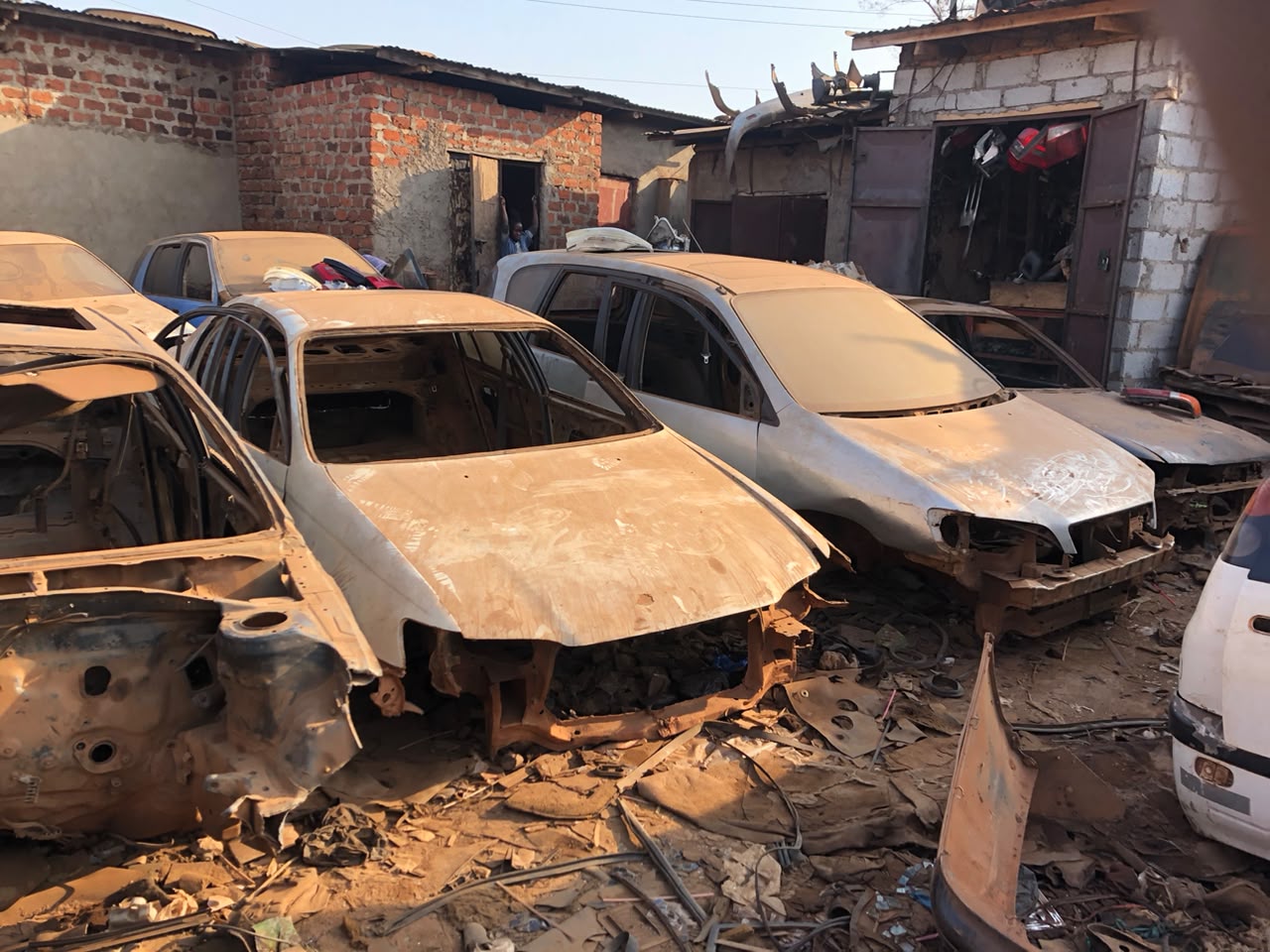
Vehicle Dismantling, on the other hand, is more detailed and systematic. It involves taking a car apart piece by piece so that usable components can be reused or sold. Dismantling is not always about ending the car’s life completely; it is about carefully separating the parts for resale or refurbishment. For example, the engine, transmission, tires, alternators, and electronics may be removed and sold individually, while the car’s body may be recycled. Dismantling requires skill, knowledge, and proper tools to ensure that parts are removed safely and efficiently. Unlike scrapping, which often ends in crushing the vehicle, dismantling focuses on preserving valuable components.
Auto Parts Salvage, or salvaging a car, is closely related to dismantling but slightly different. Salvaging focuses specifically on recovering usable parts from a car that is damaged, old, or no longer fully functional. Salvage operations are primarily concerned with parts like engines, transmissions, doors, tires, batteries, and electronics, which are then sold to mechanics, workshops, or car owners looking for affordable replacement parts. Salvaging does not always require crushing or recycling the entire car; the vehicle may still exist as a source of parts. In Uganda, salvaging is common for cars imported as second-hand vehicles, especially models that are still in demand for replacement parts.
While these three terms scrapping, dismantling, and salvaging are related, the differences are important. Scrapping is mostly about disposing of a car safely and recycling its materials. Vehicle dismantling focuses on taking the car apart carefully to save as many reusable parts as possible. Salvaging targets specific components for reuse or resale. Many workshops in Uganda combine dismantling and salvage to maximize profits.
Where Uganda’s Old Cars Get a Second Chance
In Uganda, the most well-known place for scrapping, dismantling, and salvaging vehicles is;
- Katwe in Kampala. Katwe has for many years been the center of automotive repair, metal fabrication, and used spare-parts trading. Many old, damaged, or accident vehicles are taken there to be stripped for reusable parts such as engines, gearboxes, body panels, electrical components, and tires. Because of the concentration of mechanics, welders, and spare-parts dealers, Katwe is often the first place people think of when discussing vehicle salvage in Uganda.
- Ndeeba. This is another notable area which hosts numerous vehicle repair garages and used spare-parts dealers. Vehicles that are beyond economical repair are often dismantled here, with their usable components sold to motorists looking for affordable replacement parts. Kalerwe is also known for scrap-metal activities and vehicle wreck processing, making it a common destination for vehicles that have reached the end of their useful life.
- The Nakawa Industrial Area and Kampala Industrial Area are important centers for vehicle repair, metal recycling, and industrial scrap operations. Several businesses in these areas handle damaged vehicles, recover usable components, and recycle metal from vehicle bodies and other automotive parts. Similarly, the Jinja Road corridor has many garages, body-repair workshops, and spare-parts businesses that deal with salvaged vehicle components.
- Outside central Kampala, Namanve Industrial Park has attracted several metal-processing and recycling companies that occasionally handle scrapped vehicles, heavy machinery, and industrial equipment. Kisenyi, known for its metalworking and recycling businesses, also participates in the trade of dismantled vehicle parts and scrap materials. These areas collectively form the backbone of Uganda’s vehicle dismantling, spare-parts recovery, and automotive recycling sector.
The Step-by-Step Process
The process of scrapping, dismantling, or salvaging a car is systematic. It begins with inspection, where the mechanic or technician identifies parts that can be reused or sold. Hazardous fluids such as engine oil, brake fluid, coolant, and fuel are carefully drained and disposed of according to environmental guidelines. Valuable components like the engine, transmission, alternator, tires, and battery are then removed. For dismantling, every part is cataloged and stored or sold. Finally, the car body is crushed, cut into pieces, or sent for metal recycling. Specialized machines such as hydraulic shears, industrial crushers, and lifting hoists are used to make the process safe and efficient.
When should you scrap or dismantle your Car?
Not every vehicle is suitable for scrapping or dismantling. Cars that are old, heavily damaged, or have no resale value are usually scrapped. Salvagers often dismantle or salvage vehicles with high demand for parts, such as popular Japanese or European models, because they can sell their components at a good price. Timing is important: a car should be scrapped or dismantled when repairs are too expensive, safety is compromised, or the car is no longer compliant with environmental regulations.
Regulation: Laws accompanying car salvage, dismantling, and Scrapping.
In Uganda, legal procedures accompany scrapping and dismantling. Cars must be deregistered with the Uganda Revenue Authority (URA) and sometimes with local police to prevent misuse or illegal sale. Licensed scrap yards and workshops are preferred to ensure compliance with safety and environmental standards. Unregulated operations can lead to fines or legal issues, so car owners must choose reputable facilities. Furthermore, salvaging and dismantling must be done with environmental care. Fluids and batteries contain chemicals that can harm people and the environment if not properly handled.
Globally, car scrapping, dismantling, and salvage are highly regulated. In countries like Japan, the United States, and European nations, up to 95% of a vehicle can be recycled or reused. Salvage centers in these regions use robotic machinery, conveyor systems, and environmentally safe processes to dismantle cars efficiently. Engines, transmissions, tires, and electronics are refurbished, while metal and plastic materials are melted down or recycled. Compared to Uganda, these operations are more industrialized but follow the same principle: extracting maximum value from old or damaged vehicles while minimizing waste.
More Than a Business: A School for Mechanics
The people who work in scrapping, dismantling, or salvaging cars gain valuable skills. Many mechanics in Uganda learn on the job, starting as assistants in scrap yards and gradually mastering the identification, removal, and sale of parts. Vocational training programs and automotive schools also offer guidance on vehicle mechanics, dismantling procedures, and environmental safety. Working in a scrap yard teaches valuable lessons about how cars are built, how engines and transmissions function, and how electrical and mechanical components work together.
Car enthusiasts may also benefit from understanding these processes. Knowing which parts are valuable, how to salvage components safely, and how dismantling works can save money when repairing or upgrading vehicles. It also encourages environmentally responsible practices, as recycling and salvaging reduce waste and the demand for raw materials.
Scrapping, vehicle dismantling, and auto parts salvage are essential parts of a car’s life cycle. Scrapping safely ends the vehicle’s service, dismantling preserves and reuses parts, and salvaging focuses on valuable components for resale. In Uganda, these practices are growing, particularly in urban areas where demand for spare parts is high. By understanding these processes, car owners can make informed decisions, recover value from old vehicles, and contribute to environmental safety. For car enthusiasts, learning about dismantling and salvage offers both practical knowledge and insight into the world of automotive repair and recycling.