

 By
By 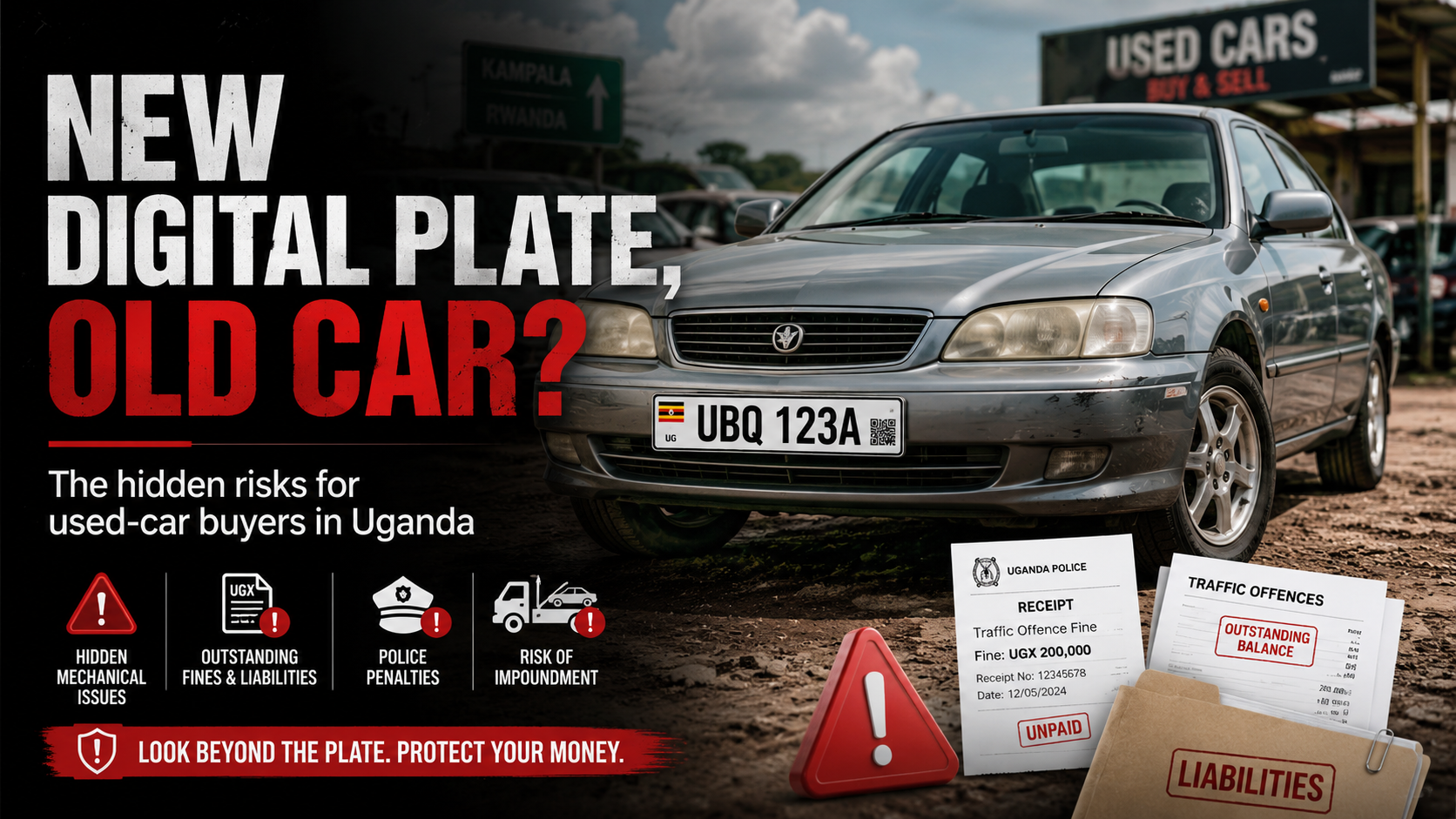
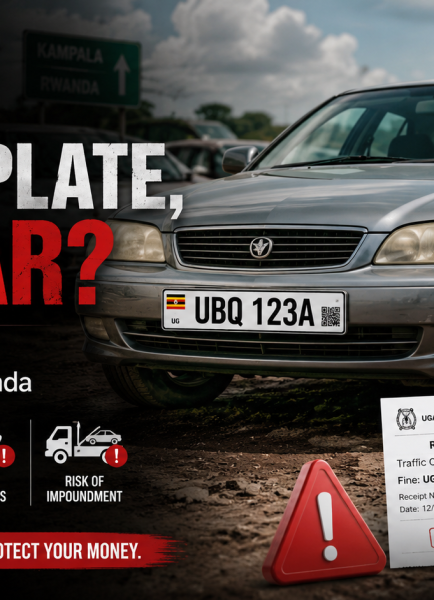
In the market, during pre-purchase inspections, I see buyers who are duped into buying old cars with newly issued digital number plates. A new digital number plate doesn’t guarantee the car is a new import, has low miles, is well-maintained or free of prior problems.
A clean car, fresh plate, polished body and confident salesperson can make an old locally used car look newer than it is.
Risk 1: False Freshness
A car may have a new digital plate because of migration, replacement, paperwork changes, or plate loss, not because it is a new arrival.
Risk 2: Hidden Local Use
A car may have spent years on Ugandan roads but now looks “fresh” because of the new plate. The possible hidden wear include:
- tired suspension
- worn tyres
- gearbox issues
- engine leaks
- accident repairs
- worn interior
- inconsistent mileage
Risk 3: Police Receipts and Hidden Liabilities
Some cars may have police receipts, EPS tickets, traffic fines, or enforcement issues that the new number plate has not yet reflected.
A buyer may discover these liabilities two to six months after buying the car and end up paying for problems caused by the previous owner or driver.
Risk 4: Weak Paperwork and Ownership Problems
A new digital plate does not replace logbook verification. Buyers must check:
- logbook
- chassis number
- engine number where applicable
- registered owner
- seller’s authority to sell
- transfer documents
Risk 5: Mechanical Deception
The plate can look new while the car itself is mechanically tired hence a proper inspection should check:
- engine
- gearbox
- suspension
- brakes
- underbody
- accident signs
- hybrid battery, where applicable
- diagnostic scan
Risk 6: Wrong Valuation
Buyers may overpay because the new plate makes the car appear newer or cleaner than it really is.
What Buyers Must Ask Before Paying
Check the following before you pay;
- When was the digital number plate issued?
- Why was it issued?
- Was the car newly imported or locally used?
- Are there any police receipts or EPS tickets?
- Are there pending traffic fines?
- Does the seller agree to take responsibility for old liabilities?
- Does the chassis number match the logbook?
- Is the person selling the registered owner?
Sale Agreement Protection
I advise buyers to include a clause stating that the seller remains responsible for all police receipts, fines, EPS tickets, and liabilities created before the date and time of sale.
From what I have seen during inspections, buyers should not trust the plate more than the car itself. Inspect first. Verify documents. Check liabilities. Then pay.
The number plate can be new while the car is old, tired, accident-repaired, overpriced, or carrying hidden liabilities. The safest buyer is the one who checks the truth behind the plate.