




The Science of Speed: Why Some Cars Are Faster than others
 By Lauben Kato
September 16, 2025
By Lauben Kato
September 16, 2025
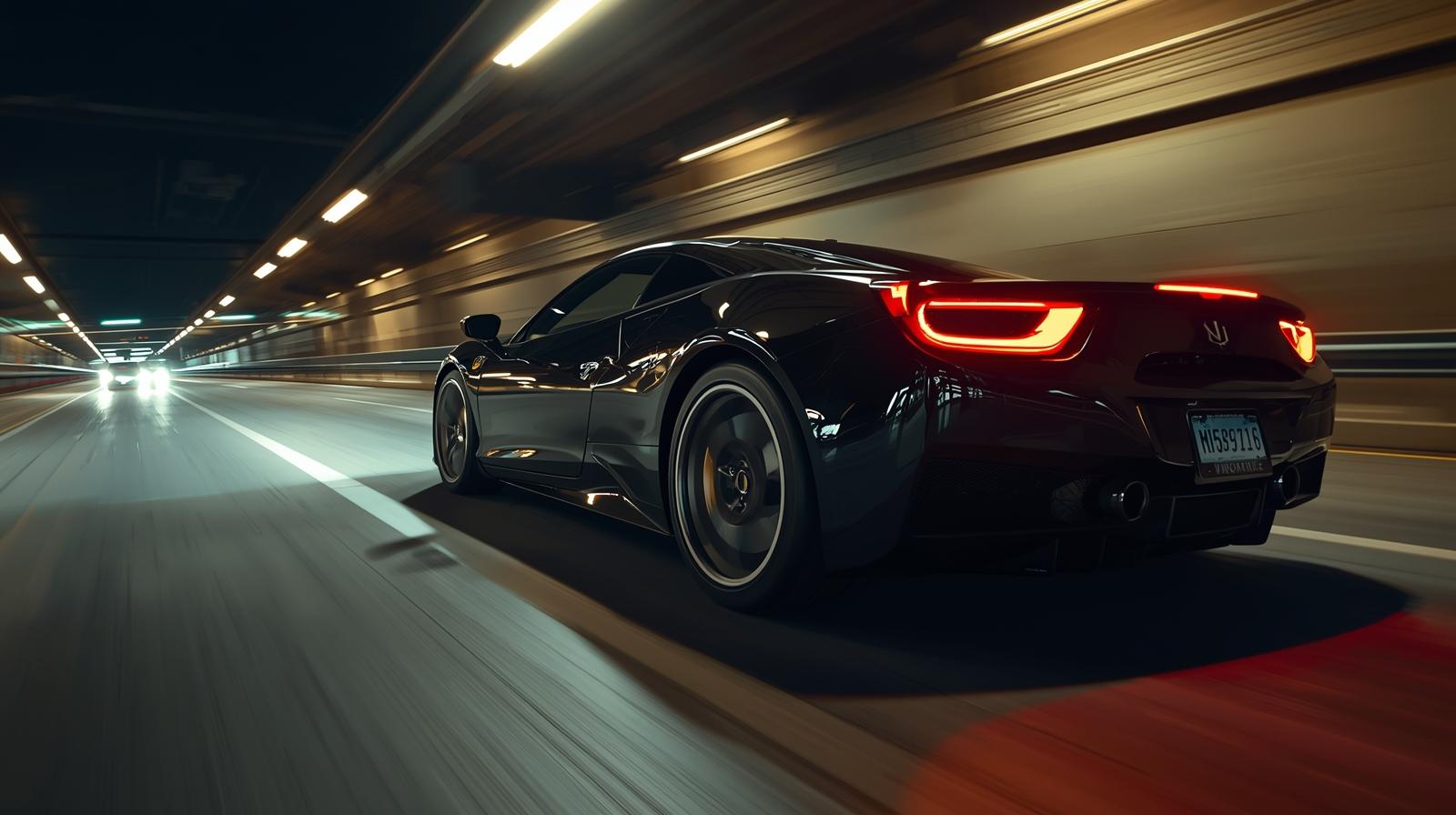
Speed has always been one of the most thrilling aspects of cars. You may wonder why some vehicles reach 300 km/h effortlessly while others struggle to exceed half that. Achieving high speed involves physics, engineering, and design. Let’s explore these factors.
The Engine

The engine is the key to a car’s speed, often called the heart of the vehicle. A more powerful engine enables faster acceleration. Engines are rated by displacement (litres) and power output, typically in horsepower or kilowatts. Larger, more efficient engines burn more air and fuel, producing more power. Efficiency in converting fuel into motion also matters. Devices like turbochargers and superchargers force more air into the engine, boosting power without increasing size. Modern sports cars like the McLaren P1 and Ferrari LaFerrari combine petrol engines with electric motors for instant acceleration—hybrid power boosts.
Power-to-Weight Ratio

Here, it’s about strength versus mass. Speed isn’t just about raw horsepower. For example, a motorcycle with 200 horsepower will accelerate faster than a truck with the same power because it weighs less. The power-to-weight ratio indicates how much power is available per kilogram of weight. A lightweight car with a strong engine will be faster. That’s why brands use materials like carbon fibre and aluminium to reduce weight without sacrificing strength.
Aerodynamics

This concerns how a car cuts through the air. At lower speeds, air resistance is minimal; however, it significantly affects performance at around 200 km/h. Aerodynamic design includes streamlined shapes – supercars are shaped like arrows to reduce drag. Downforce, achieved with spoilers and diffusers, presses the car onto the road for better grip at high speeds. The underside of fast cars is also optimised to keep airflow steady and reduce turbulence.
Transmission and Gearing

Transmission routes power from the engine to the wheels. The proper gear setup is essential. Short gears provide quick acceleration but limit top speed; long gears favour higher speeds but slow acceleration. The gear ratios balance these factors. Sports cars often accelerate rapidly but might be less fuel-efficient.
Tires and Grip

Rubber meets the road here. Tires must handle the car’s power; otherwise, the vehicle cannot perform. Wider tires increase contact with the road, improving grip for acceleration and cornering. Softer rubber offers better grip but wears out faster, while harder rubber lasts longer with less grip. Race drivers preheat their tires to enhance grip, a practice known as temperature control.
The Human Factor

Finally, speed isn’t just about the car. The driver’s reaction time, skill, and courage are crucial. Experienced drivers can push vehicles to their limits. When all these elements come together, your car isn’t just running – it’s flying. It’s not just speed; it’s the science of speed in action.


